
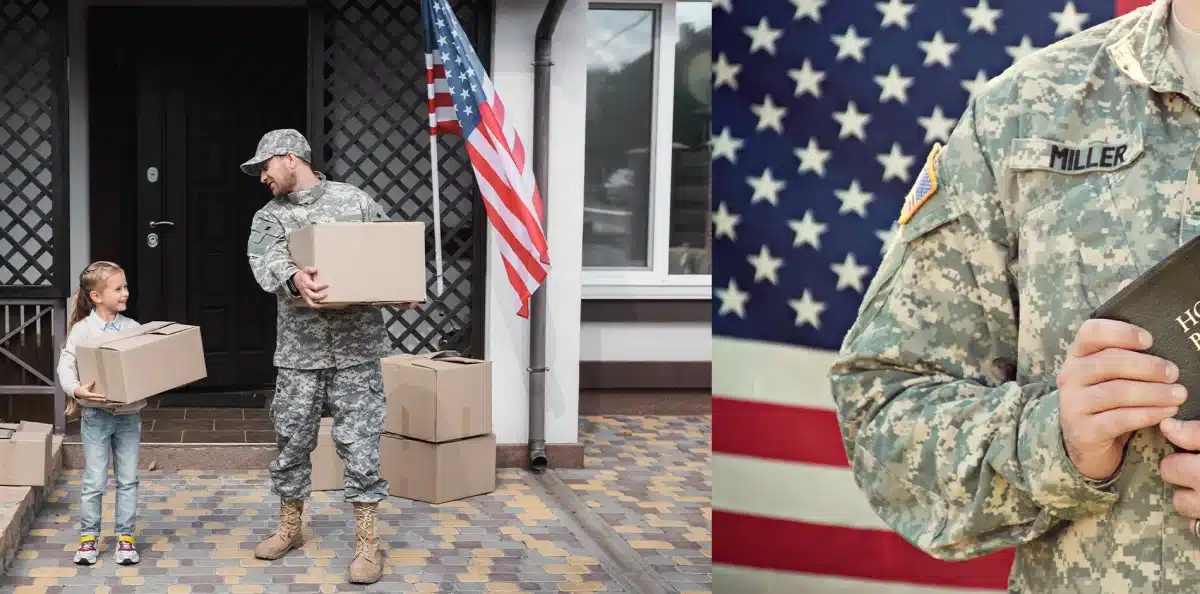
For military service members, a Personally Procured Move (PPM), formerly known as a DITY move, can be a financially savvy choice for your PCS relocation. Instead of having the government manage your move, you take control of the process, and in return, the government reimburses you 100% of what it would have cost them to move you. If you can execute your move for less than that amount, you get to pocket the difference. For many military families, this can mean thousands of dollars in tax-free profit. The key to a successful and profitable PPM is meticulous planning and flawless paperwork.
Step 1: Counseling and Entitlements
Your first step after receiving your orders is to visit your installation’s Transportation Office (TMO) for counseling. You cannot start a PPM without official authorization. The counselor will:
- Explain your entitlements, including your authorized weight allowance.
- Provide you with the necessary forms and an estimate of the Government Constructed Cost (GCC), which is the amount you will be reimbursed.
- Set up your move in the Defense Personal Property System (DPS).
Step 2: Planning Your Move (Hiring Professionals)
“Doing it yourself” does not mean you have to do it all yourself. The smartest way to execute a PPM is to hire a reputable, professional moving company. This provides the best of both worlds: you maintain control and get the financial incentive, but you don’t have to do the back-breaking labor of loading and driving a truck yourself. A professional mover will also be experienced in providing the specific documentation you will need for your claim.
Step 3: The All-Important Weight Tickets
This is the most critical part of your reimbursement claim. To get paid, you must prove the weight of the household goods you moved. This requires obtaining certified weight tickets.
- You Need Two Tickets: You will need one weight ticket for your moving truck when it is completely empty (but with a full tank of gas) and a second weight ticket when it is fully loaded with your belongings. The difference between these two weights is the official weight of your shipment.
- Use a Certified Scale: These weights must be obtained from a certified public scale. Your transportation office can provide you with a list of certified scales in your area. You can often find them at truck stops or moving and storage facilities.
- Keep the Originals: You must submit the original, physical weight tickets with your claim. Do not lose them. Make copies for your own records.
The official military moving portal, Move.mil, has detailed instructions and forms related to the PPM process and weight tickets.
Step 4: Keep Meticulous Records of Expenses
You can deduct your actual moving expenses from any PPM profit for tax purposes. This makes it crucial to keep a detailed record of every single expense related to your move. Create a folder and keep receipts for:
- The professional moving company’s bill.
- The cost of packing supplies (boxes, tape, paper).
- The cost of any rental equipment.
- Gas and oil for the moving truck.
- Highway tolls.
- The cost of your weight tickets.
Many military families find resources from organizations like the National Military Family Association helpful for navigating the financial aspects of a PCS move.
Your Southern California Military Moving Specialists
We are honored to assist our military families and have extensive experience with the requirements of a PPM. For service members and their families in Southern California, the team at Right Way Movers is a trusted partner for your military moving needs. We provide the professional service and certified weight tickets you need to make your PPM a success. Contact us today for a free estimate.